In 1972 a man exercising his dog on open land in Halewood casually tossed a cigarette end into a pond. The pond burst into flames and six fire engines were needed to put out the blaze. The startled smoker had thought it was just water but the pond also contained a...
From riots to regeneration: Michael Heseltine and the great Mersey clean-up
by Paul Unger Making his home in the Atlantic Tower Hotel, and his temporary office in the Royal Liver Building, Michael Heseltine overlooked the River Mersey in the summer of 1981. “Alone, every night, when the meetings were over and the pressure was off,” Heseltine...
Friends of the Earth and the war against waste
By the 1970s the average British household was producing a ton of rubbish every year and almost all of it ended up on landfill sites like the one at Otterspool which had served as Liverpool’s municipal refuse dump since 1945. Disposing of domestic waste cost local...
The acid factory that made St Helens fume
Shortly after a new factory started making sulphuric acid in St Helens, women working nearby began complaining about holes in their tights. More than 20 office staff were said to have been affected, and they blamed it on having to run the gauntlet through chemical...
The Civic Centre fiasco
By the 1960s Liverpool corporation was operating from 49 different buildings, dotted around the city. Many of the staff worked in antiquated offices, often in crowded conditions, and this provided the cue (or a least the excuse) for an over-ambitious project to bring...
Concrete is beautiful: the Shankland master-plan
In the early 1960s Liverpool’s council was seeking to redevelop the city— especially its centre — on more modern lines. The Planning Department was not yet established, so the council decided to hire a consultant. The man chosen for the task — by a panel of university...
RECENT POSTS
Upping the rent: a landlord’s tricks of the trade
How private landlords drove out tenants whose rents were frozen by law and replaced them with new tenants at higher rents … and how they evaded the Rent Act by pretending tenants were “buyers” or simply “users” of the property.
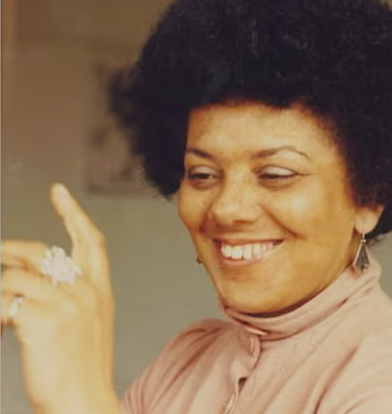
A pioneer in the struggle for racial justice
The name is Bond … Comrade Bond
In 1984 Sampson Bond, a 26-year-old Londoner, became head of Liverpool city council’s new Race Relations Unit following a rigged selection process. Bond was the least qualified of six applicants for the post but he got the job because his views on race relations matched those of Militant, the Trotskyist group which dominated the city council at the time and believed racial problems would be solved by the defeat of capitalism. His appointment infuriated black and anti-racism groups in the city. They refused to cooperate with him and demanded his dismissal.
.
How Netherley women organised a ‘carnival in Alcatraz’
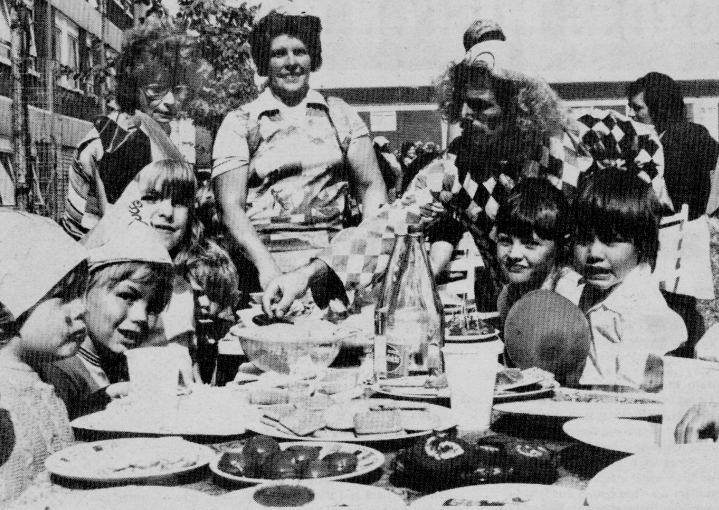
The bleak council estate of Netherley was nicknamed Alcatraz because people living there often felt like prisoners. In 1976, though, a group of women took the first step towards building a sense of community – and organised a carnival. Maria O’Reilly describes how they did it and what it achieved.
Colonialism in the classroom: books for children in the 1970s
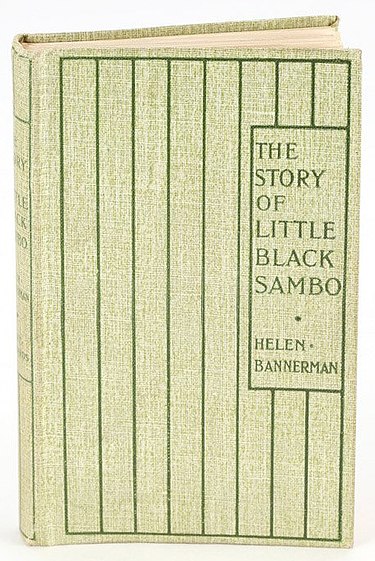
Amid concern that Liverpool’s schools were not preparing youngsters for life in a multi-racial society, the Community Relations Council carried out a study of racist attitudes in books written for children.
The NHS watchdogs that were allowed to bark but not bite
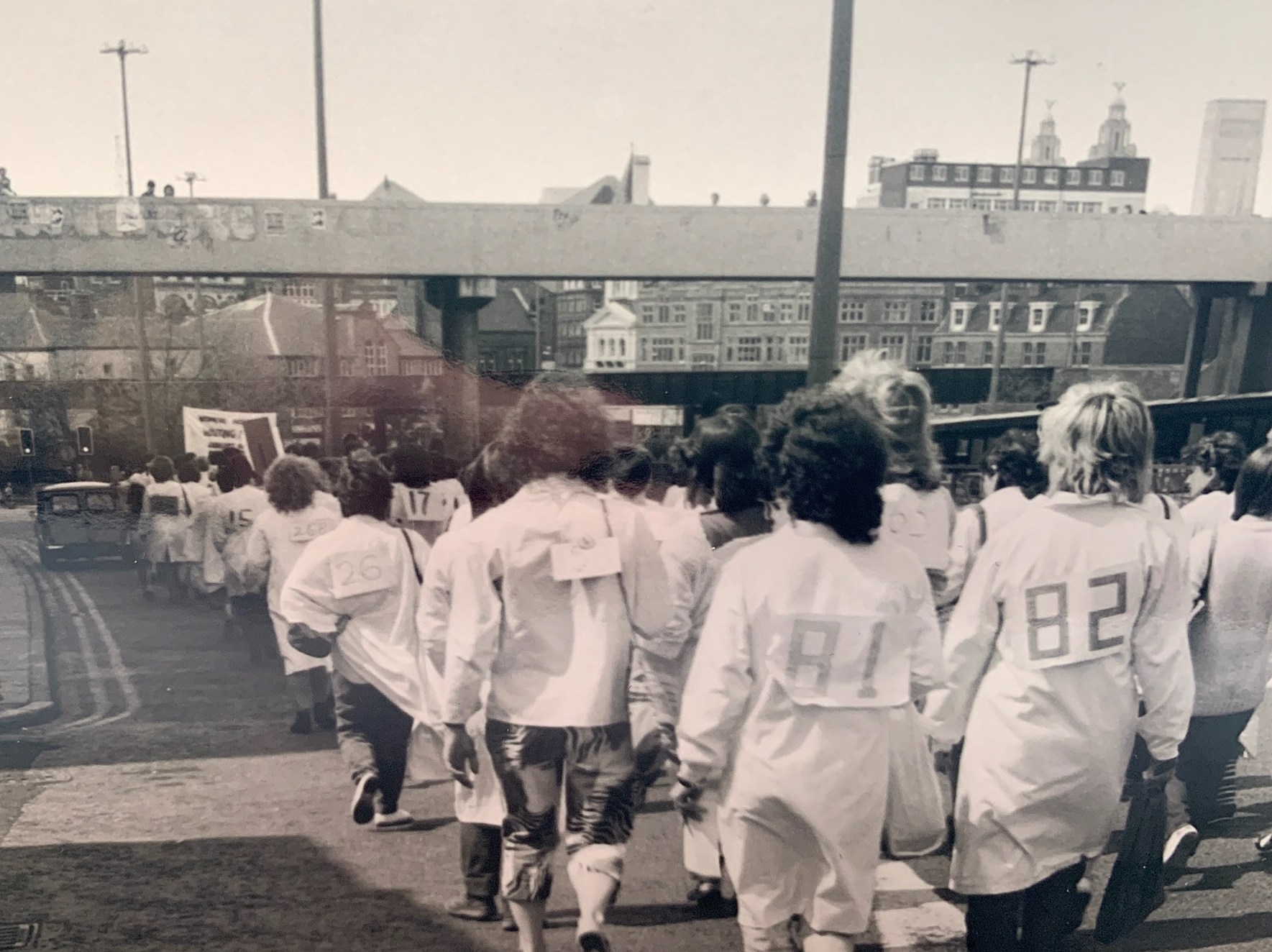
In 1974 the government established Community Health Councils throughout the country to monitor NHS performance and represent the views of patients and the public. In Liverpool, Sylvia Hikins chaired one of them for nine years, but her hopes of improving health services were constantly battered by spending cuts and closures.
GET INVOLVED
Since this is a “people’s history” website, it’s intended as a collaborative effort. Click here to find out the various ways you can take part.