It was in the early 1970s that Paul O’Grady – later to become famous as a drag artist and comedian – first plucked up courage to phone the Liverpool branch of the Campaign for Homosexual Equality. He was just 17 at the time. His call was answered by Robin Bloxsidge,...
The privatisation of intelligence gathering
In the political and industrial turmoil of the 1970s, left-wing militants – especially among the trade unions – were treated as a threat to national security. Monitoring their activity was a task officially assigned to the police Special Branch but the police...
‘Seducing’ soldiers
Activists campaigning against Britain's military presence in Northern Ireland faced surveillance and prosecution during the 1970s In August 1972 the Liverpool Daily Post held a competition for boys aged 13–16. The ten lucky winners would spend an “action...
News from Nowhere: the story of a radical bookshop
One notable survivor from the 1970s is News from Nowhere, the not-for-profit "radical and community" bookshop. MANDY VERE started working there in 1976 – and stayed until her retirement 45 years later. This is her account of the shop's history. On Mayday 1974,...
Remember Liberty Hall?
"Liberty Hall" was the name of a social club "for people who are interested in politics but don't wish to belong to a political party". Meetings were held weekly on Sunday evenings, with a variety of activities that included talks, discussions, music and films....
Pirates of the airwaves
"Radio Free Liverpool" was one of several clandestine broadcasters on Merseyside in the 1970s. The enthusiasts behind these pirate stations played a cat-and-mouse game with the authorities who often confiscated their home-made transmitters by BRIAN WHITAKER In...
RECENT POSTS
Upping the rent: a landlord’s tricks of the trade
How private landlords drove out tenants whose rents were frozen by law and replaced them with new tenants at higher rents … and how they evaded the Rent Act by pretending tenants were “buyers” or simply “users” of the property.
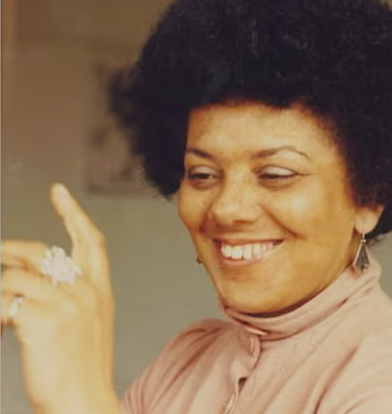
A pioneer in the struggle for racial justice
The name is Bond … Comrade Bond
In 1984 Sampson Bond, a 26-year-old Londoner, became head of Liverpool city council’s new Race Relations Unit following a rigged selection process. Bond was the least qualified of six applicants for the post but he got the job because his views on race relations matched those of Militant, the Trotskyist group which dominated the city council at the time and believed racial problems would be solved by the defeat of capitalism. His appointment infuriated black and anti-racism groups in the city. They refused to cooperate with him and demanded his dismissal.
.
How Netherley women organised a ‘carnival in Alcatraz’
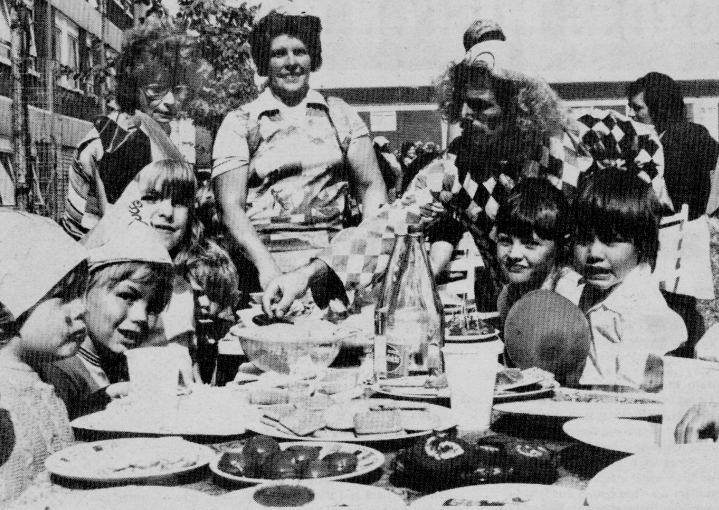
The bleak council estate of Netherley was nicknamed Alcatraz because people living there often felt like prisoners. In 1976, though, a group of women took the first step towards building a sense of community – and organised a carnival. Maria O’Reilly describes how they did it and what it achieved.
Colonialism in the classroom: books for children in the 1970s
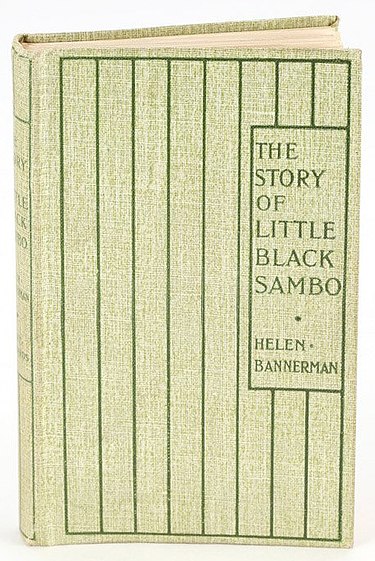
Amid concern that Liverpool’s schools were not preparing youngsters for life in a multi-racial society, the Community Relations Council carried out a study of racist attitudes in books written for children.
The NHS watchdogs that were allowed to bark but not bite
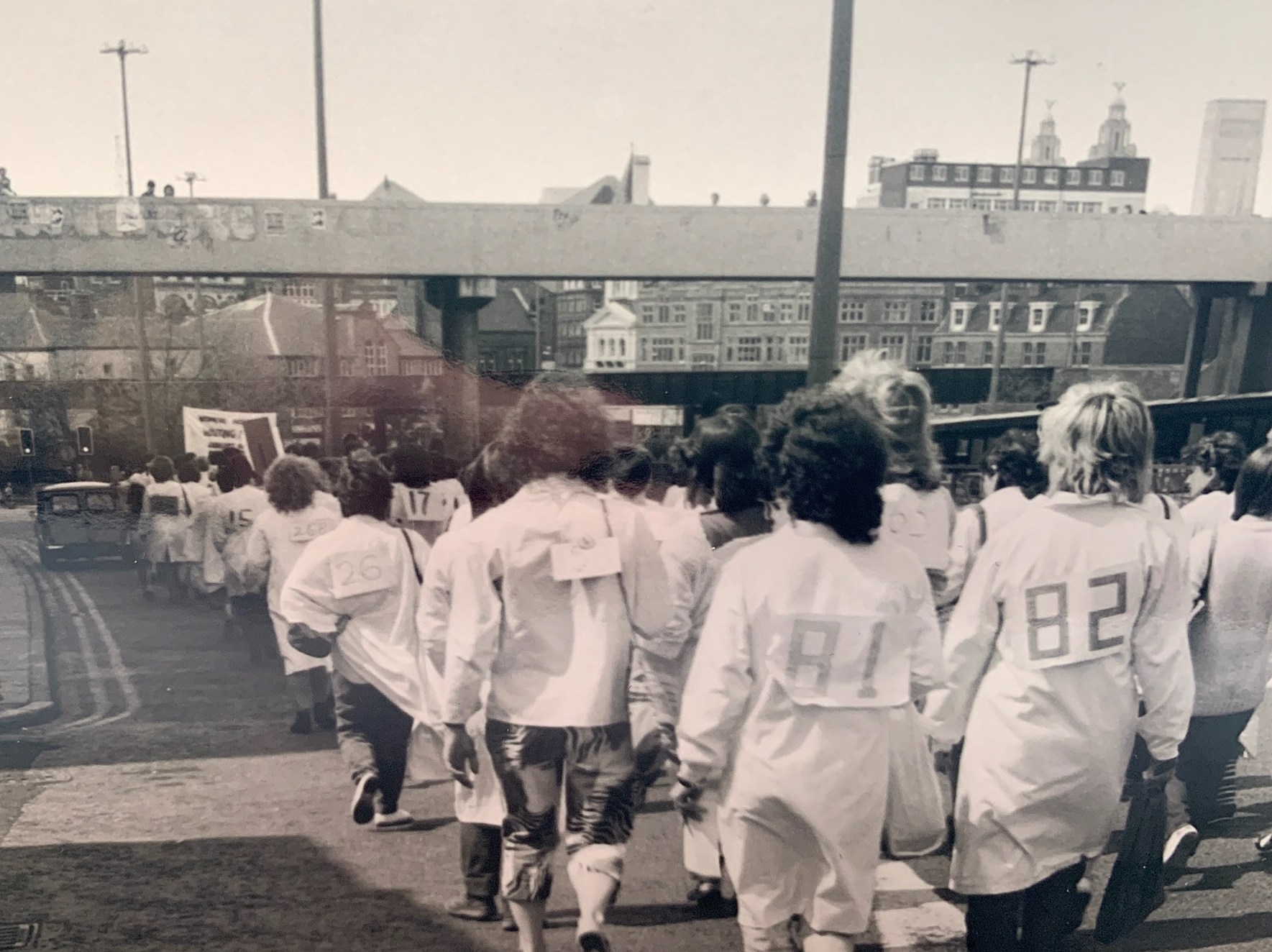
In 1974 the government established Community Health Councils throughout the country to monitor NHS performance and represent the views of patients and the public. In Liverpool, Sylvia Hikins chaired one of them for nine years, but her hopes of improving health services were constantly battered by spending cuts and closures.
GET INVOLVED
Since this is a “people’s history” website, it’s intended as a collaborative effort. Click here to find out the various ways you can take part.