by BRYAN BIGGS George Melly was a multi-talented musician, writer and entertainer born in Liverpool on 17 August 1926. Many will know him from television appearances such as a panellist in the art game show Gallery, as film critic for The Observer, as a bawdy blues...
Bob Dylan in Liverpool: 1966 and all that
by PHIL OATES When pop music came of age Liverpool was at the heart of it. Not only the Beatles and Merseybeat but Bob Dylan's connections with the city were part of it too. Dylan’s first album was released in March 1962 and in May the Beatles secured a contract with...
The day Bob Dylan came to Liverpool and Everton won the FA Cup
by CHRIS JONES In Liverpool, 14 May 1966 was a memorable day. Everton won the FA Cup for the first time in 33 years and in the evening Bob Dylan performed at the Odeon on London Road. Dylan's visit was part of a UK tour that marked a turning point in his musical...
Mathew Street and the ‘Pool of Life’
by BRYAN BIGGS Amid the ceaseless flow of Beatles tourists and hen party bacchanalia today it’s a little known fact that Mathew Street’s almost mythic status in postwar popular music rests on a much richer narrative than that of the Fab Four alone. So how did this...
The ghost cinemas of Liverpool
by J P Maxwell Palaces of light, now dark Liverpool was once a city that went to the pictures like it went to the docks, in vast numbers, with ritual, noise, and appetite. From the 1910s through to the 1960s, cinemas rose across the city not as side streets diversions...
Fun in the dismal days of Thatcherism: the story of ‘The End’ magazine
The End magazine was produced by the young and read by the young. It talked mainly about football, music, beer and made jokes about life without a job. The End had plenty of attitude and was often outrageous, cheerfully deriding anyone and anything, from over-rated...
Photographing football – with rollickings from Bill Shankly
Stephen Shakeshaft spent four decades chronicling life on Merseyside with his camera. Joining the Daily Post and Echo as a messenger boy in 1962, he rose to become chief photographer and picture editor. His work is much admired and has been the subject of four...
The International Garden Festival: a treat for ʽcomfortable Britain’
Liverpool's International Garden Festival in 1984 was part of a government initiative to regenerate the city in the wake of the Toxteth riots. The chosen spot was a heavily polluted landfill site between the Dingle and Otterspool which since 1945 had served as the...
From word games to Dial-a-Poem: the Windows Project
by DAVE WARD It was the long hot summer of 1976. Dave Calder, Libby Houston, Carol Ann Duffy and I had been invited by Dave Rickus of Merseyside Play Action Council to run poetry workshops on the summer playschemes. But how to create a space for children to sit down...
Poets who dared to be popular: the Liverpool Scene – and beyond
by SYLVIA HIKINS There can’t be many (if any) cities in the United Kingdom where local poets have become household names, but in the 1970s and 1980s Liverpool was exactly that. The famous trio, Adrian Henri, Roger McGough and Brian Patten were the pinnacle of a large...
RECENT POSTS
Upping the rent: a landlord’s tricks of the trade
How private landlords drove out tenants whose rents were frozen by law and replaced them with new tenants at higher rents … and how they evaded the Rent Act by pretending tenants were “buyers” or simply “users” of the property.
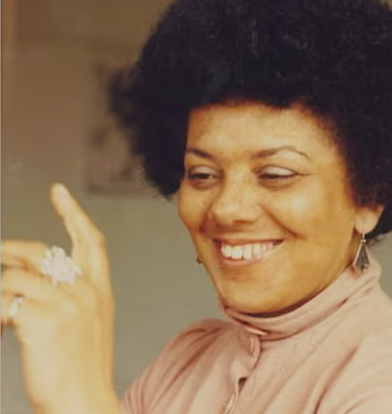
A pioneer in the struggle for racial justice
The name is Bond … Comrade Bond
In 1984 Sampson Bond, a 26-year-old Londoner, became head of Liverpool city council’s new Race Relations Unit following a rigged selection process. Bond was the least qualified of six applicants for the post but he got the job because his views on race relations matched those of Militant, the Trotskyist group which dominated the city council at the time and believed racial problems would be solved by the defeat of capitalism. His appointment infuriated black and anti-racism groups in the city. They refused to cooperate with him and demanded his dismissal.
.
How Netherley women organised a ‘carnival in Alcatraz’
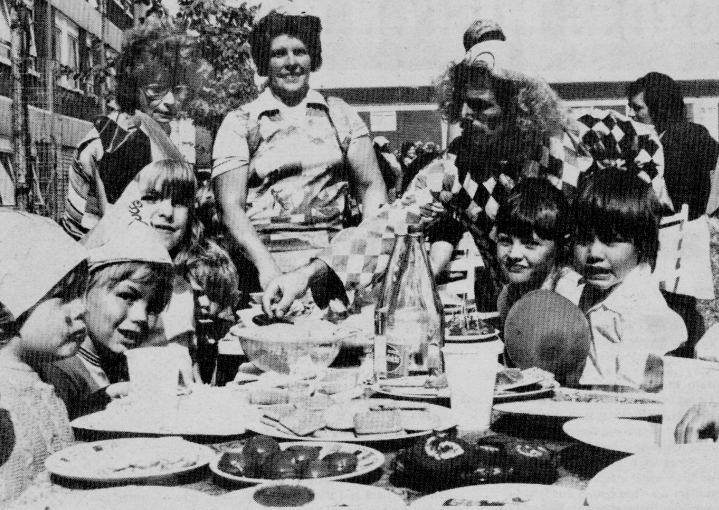
The bleak council estate of Netherley was nicknamed Alcatraz because people living there often felt like prisoners. In 1976, though, a group of women took the first step towards building a sense of community – and organised a carnival. Maria O’Reilly describes how they did it and what it achieved.
Colonialism in the classroom: books for children in the 1970s
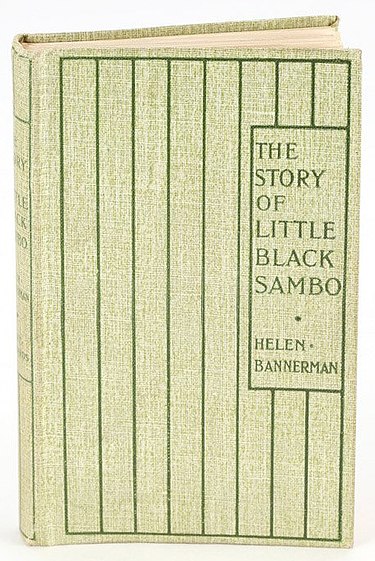
Amid concern that Liverpool’s schools were not preparing youngsters for life in a multi-racial society, the Community Relations Council carried out a study of racist attitudes in books written for children.
The NHS watchdogs that were allowed to bark but not bite
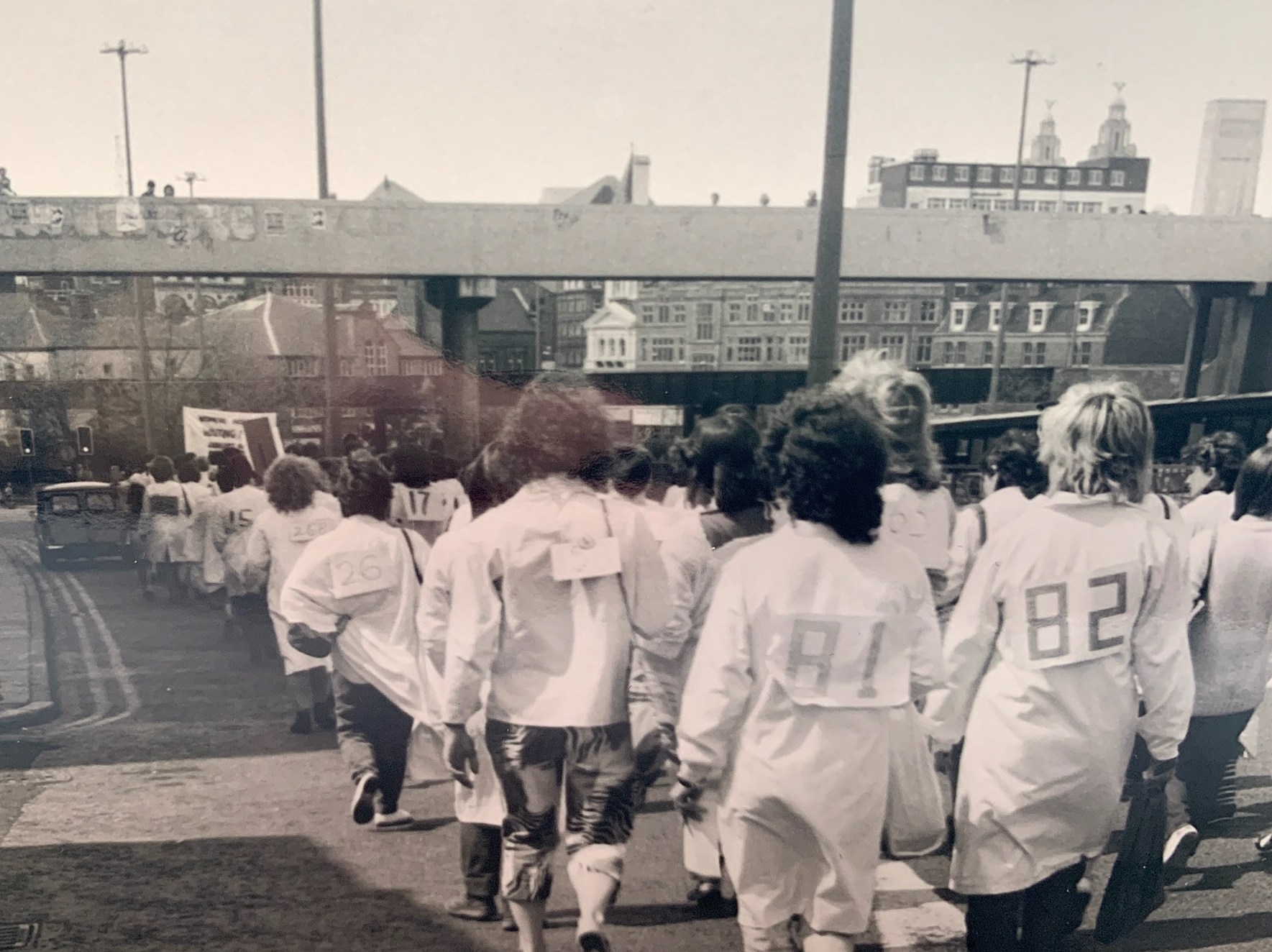
In 1974 the government established Community Health Councils throughout the country to monitor NHS performance and represent the views of patients and the public. In Liverpool, Sylvia Hikins chaired one of them for nine years, but her hopes of improving health services were constantly battered by spending cuts and closures.
GET INVOLVED
Since this is a “people’s history” website, it’s intended as a collaborative effort. Click here to find out the various ways you can take part.