In 1983 Alison Halford achieved what no woman had done before: she became an Assistant Chief Constable in Merseyside police. Hailing her appointment as “another first for Merseyside”, Chief Constable Kenneth Oxford told the press: “We have never been opposed to...
Reclaim the Night: marching against male violence
Late on a Friday night in 1979 groups of women assembled at the gates of Princes Park for a protest against male violence. Singing, dancing, chanting slogans and waving banners, they marched through Toxteth and into the city centre, arriving as the pubs discharged...
The early years of the Women’s Liberation Movement
Historian RACHEL COLLETT traces the growth of the Women’s Liberation Movement through the 1970s and 1980s. On Merseyside its initial hub was the Women's Centre in Seel Street and activists focused mainly on reproductive healthcare in the face of strong local...
Littlewoods Pools: where women ‘never had time to get bored’
Littlewoods Pools was once a household name in Britain. Every week millions of people would fill in a coupon, hoping to win a fortune by predicting the outcome of football matches. Checking the coupons was a massive task and in Liverpool it provided jobs for thousands...
RECENT POSTS
Upping the rent: a landlord’s tricks of the trade
How private landlords drove out tenants whose rents were frozen by law and replaced them with new tenants at higher rents … and how they evaded the Rent Act by pretending tenants were “buyers” or simply “users” of the property.
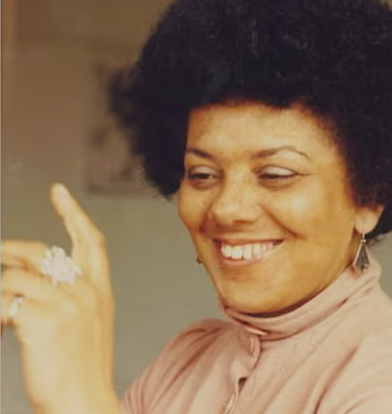
A pioneer in the struggle for racial justice
The name is Bond … Comrade Bond
In 1984 Sampson Bond, a 26-year-old Londoner, became head of Liverpool city council’s new Race Relations Unit following a rigged selection process. Bond was the least qualified of six applicants for the post but he got the job because his views on race relations matched those of Militant, the Trotskyist group which dominated the city council at the time and believed racial problems would be solved by the defeat of capitalism. His appointment infuriated black and anti-racism groups in the city. They refused to cooperate with him and demanded his dismissal.
.
How Netherley women organised a ‘carnival in Alcatraz’
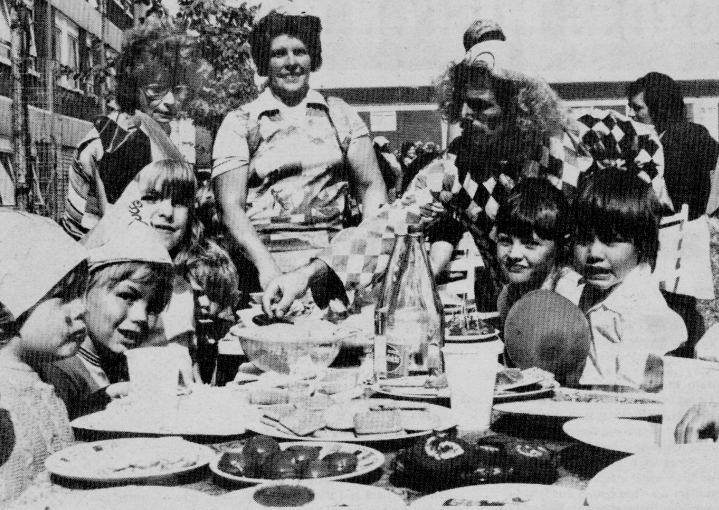
The bleak council estate of Netherley was nicknamed Alcatraz because people living there often felt like prisoners. In 1976, though, a group of women took the first step towards building a sense of community – and organised a carnival. Maria O’Reilly describes how they did it and what it achieved.
Colonialism in the classroom: books for children in the 1970s
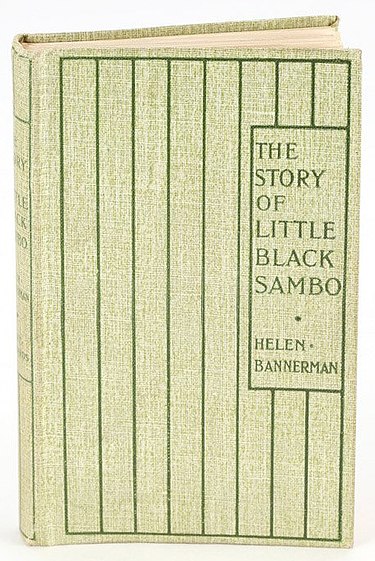
Amid concern that Liverpool’s schools were not preparing youngsters for life in a multi-racial society, the Community Relations Council carried out a study of racist attitudes in books written for children.
The NHS watchdogs that were allowed to bark but not bite
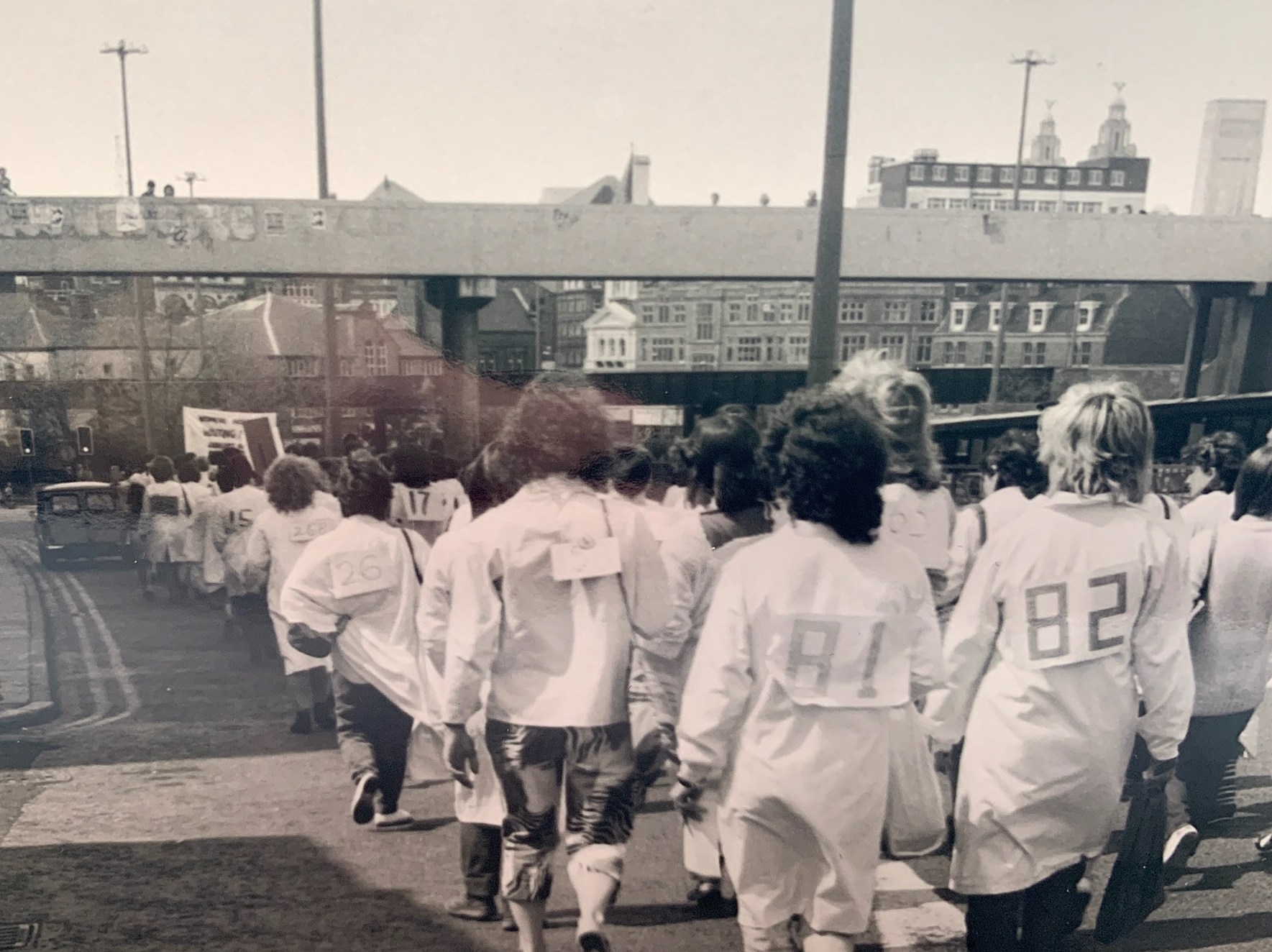
In 1974 the government established Community Health Councils throughout the country to monitor NHS performance and represent the views of patients and the public. In Liverpool, Sylvia Hikins chaired one of them for nine years, but her hopes of improving health services were constantly battered by spending cuts and closures.
GET INVOLVED
Since this is a “people’s history” website, it’s intended as a collaborative effort. Click here to find out the various ways you can take part.