For several years in the 1980s Liverpool city council was dominated by members of Labour's Militant Tendency which promised to build a thousand new council homes every year. Elsewhere in the country, municipal housebuilding was almost at a standstill and the cost of...
Rehousing Liverpool (3): Liberal compromises
The Liberals took charge of Liverpool City Council in 1973, though without an overall majority. They abandoned the construction of new council homes in favour of new-build co-ops. Thus what had started out as a radical and marginal movement for residents’ control was...
Rehousing Liverpool (2): Grassroots initiatives
Housing cooperatives began with the idealistic goal of giving residents control over their own homes. They were voluntary organisations that focused on rehabilitating run-down terraces (and, later, building new estates) with the aid of loans and government grants....
Rehousing Liverpool (1): From slum clearance to rehabilitation
Slum clearance in the 1960s and 1970s separated people from friends and neighbours they had known for years. Tens of thousands were “decanted” to new estates on the edges of Liverpool. But demolition and displacement weren’t the only options and in Toxteth the Shelter...
Upping the rent: a landlord’s tricks of the trade
In 1969 a firm that owned thousands of rented properties in the Toxteth area of Liverpool offered to sell them to the council. Most were in a poor state of repair, many were scheduled for demolition and the council, wary of taking on the burden of managing them,...
RECENT POSTS
Upping the rent: a landlord’s tricks of the trade
How private landlords drove out tenants whose rents were frozen by law and replaced them with new tenants at higher rents … and how they evaded the Rent Act by pretending tenants were “buyers” or simply “users” of the property.
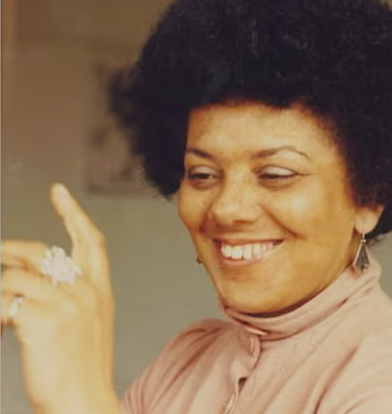
A pioneer in the struggle for racial justice
The name is Bond … Comrade Bond
In 1984 Sampson Bond, a 26-year-old Londoner, became head of Liverpool city council’s new Race Relations Unit following a rigged selection process. Bond was the least qualified of six applicants for the post but he got the job because his views on race relations matched those of Militant, the Trotskyist group which dominated the city council at the time and believed racial problems would be solved by the defeat of capitalism. His appointment infuriated black and anti-racism groups in the city. They refused to cooperate with him and demanded his dismissal.
.
How Netherley women organised a ‘carnival in Alcatraz’
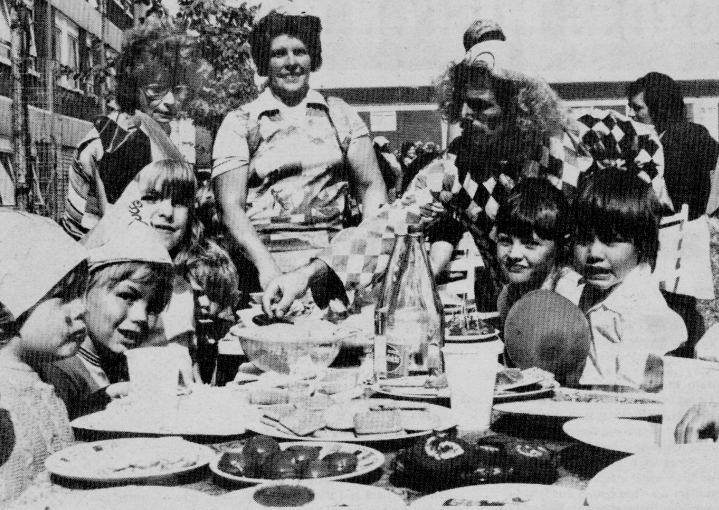
The bleak council estate of Netherley was nicknamed Alcatraz because people living there often felt like prisoners. In 1976, though, a group of women took the first step towards building a sense of community – and organised a carnival. Maria O’Reilly describes how they did it and what it achieved.
Colonialism in the classroom: books for children in the 1970s

Amid concern that Liverpool’s schools were not preparing youngsters for life in a multi-racial society, the Community Relations Council carried out a study of racist attitudes in books written for children.
The NHS watchdogs that were allowed to bark but not bite
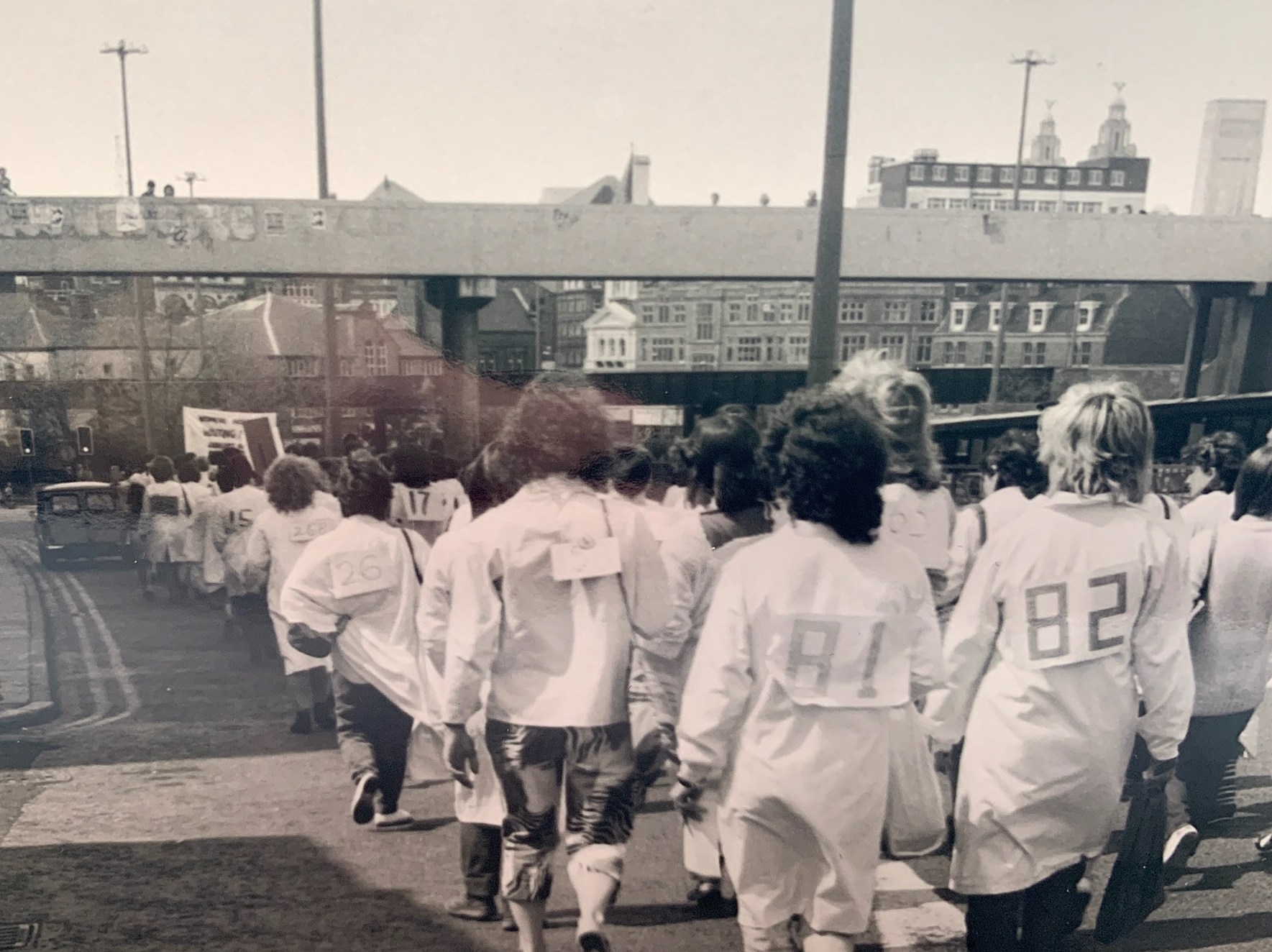
In 1974 the government established Community Health Councils throughout the country to monitor NHS performance and represent the views of patients and the public. In Liverpool, Sylvia Hikins chaired one of them for nine years, but her hopes of improving health services were constantly battered by spending cuts and closures.
GET INVOLVED
Since this is a “people’s history” website, it’s intended as a collaborative effort. Click here to find out the various ways you can take part.