At the beginning of 1972 the basic wage of skilled workers in the construction industry was £20 for a 40-hour week. This placed them in the bottom quarter of the pay scale for adult male workers. There were others, though, who earned considerably more by not being...
Trouble in toytown: how workers battled to save the Meccano factory
In the 1920s and 1930s Liverpool was the home of Britain's biggest toy manufacturer, famous for three iconic product lines: Meccano construction sets, Dinky toys and Hornby model trains. The man who started it was Frank Hornby, born in Liverpool in 1863. Hornby worked...
Trade unions? No thanks! We’re Marks & Spencer
Trade unions were very active on Merseyside in the 1960s and 1970s and large firms usually recognised them. One notable exception, though, was the big Marks & Spencer store in Liverpool's city centre. M&S, in its own estimation, was such a good employer that...
Under new management: the Fisher Bendix story
The Fisher Bendix factory in Kirkby had been built with government help to ease unemployment in the area. It wasn't a success and in 1972 when the owners tried to shut it down workers occupied the factory in an effort to save their jobs. Three years later they began...
RECENT POSTS
Upping the rent: a landlord’s tricks of the trade
How private landlords drove out tenants whose rents were frozen by law and replaced them with new tenants at higher rents … and how they evaded the Rent Act by pretending tenants were “buyers” or simply “users” of the property.
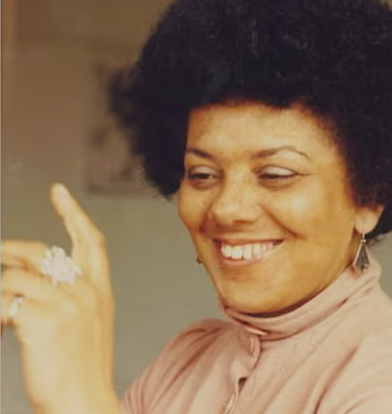
A pioneer in the struggle for racial justice
The name is Bond … Comrade Bond
In 1984 Sampson Bond, a 26-year-old Londoner, became head of Liverpool city council’s new Race Relations Unit following a rigged selection process. Bond was the least qualified of six applicants for the post but he got the job because his views on race relations matched those of Militant, the Trotskyist group which dominated the city council at the time and believed racial problems would be solved by the defeat of capitalism. His appointment infuriated black and anti-racism groups in the city. They refused to cooperate with him and demanded his dismissal.
.
How Netherley women organised a ‘carnival in Alcatraz’
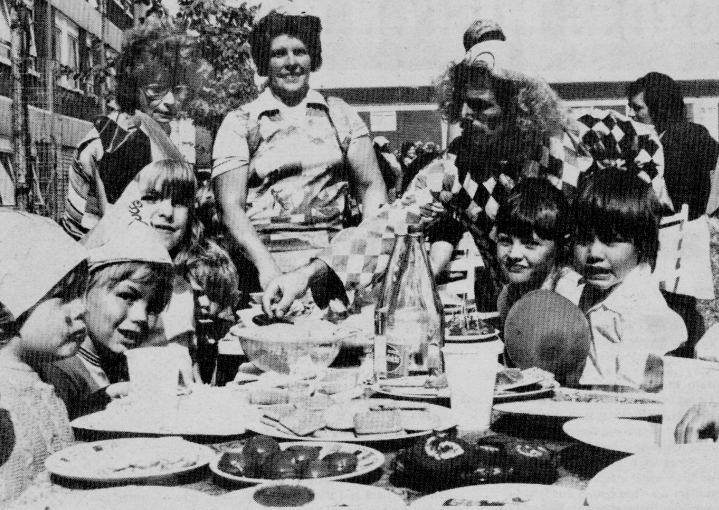
The bleak council estate of Netherley was nicknamed Alcatraz because people living there often felt like prisoners. In 1976, though, a group of women took the first step towards building a sense of community – and organised a carnival. Maria O’Reilly describes how they did it and what it achieved.
Colonialism in the classroom: books for children in the 1970s
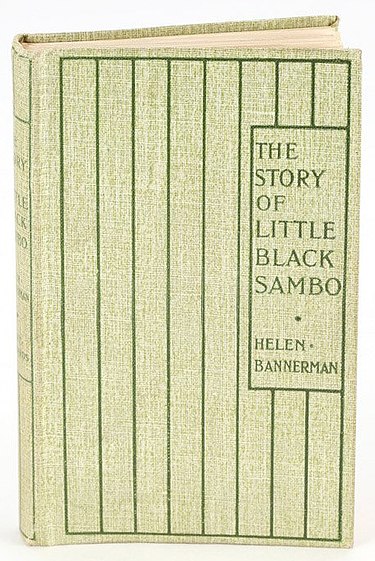
Amid concern that Liverpool’s schools were not preparing youngsters for life in a multi-racial society, the Community Relations Council carried out a study of racist attitudes in books written for children.
The NHS watchdogs that were allowed to bark but not bite
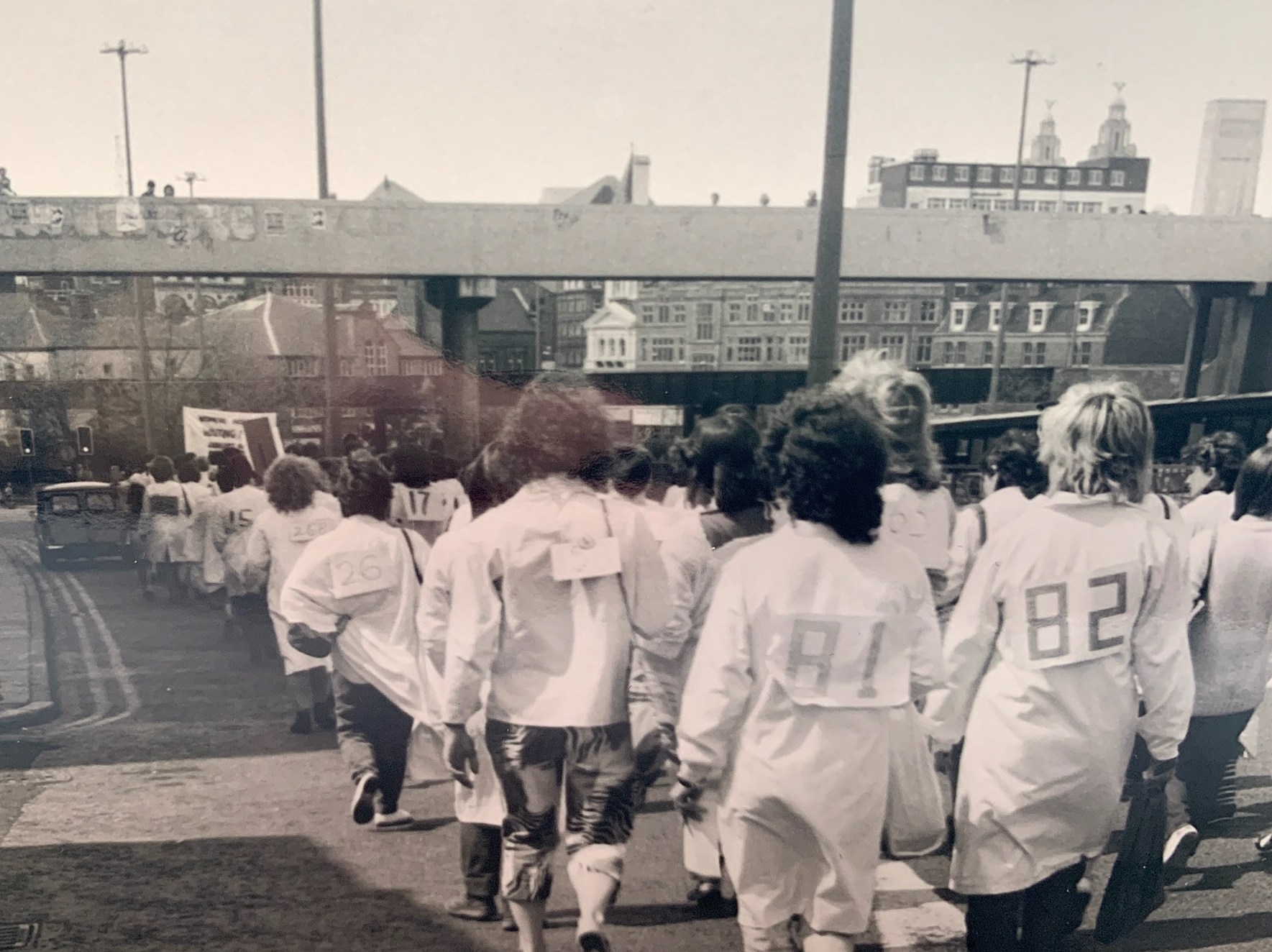
In 1974 the government established Community Health Councils throughout the country to monitor NHS performance and represent the views of patients and the public. In Liverpool, Sylvia Hikins chaired one of them for nine years, but her hopes of improving health services were constantly battered by spending cuts and closures.
GET INVOLVED
Since this is a “people’s history” website, it’s intended as a collaborative effort. Click here to find out the various ways you can take part.