Password Protected
To view this protected post, enter the password below:
To view this protected post, enter the password below:
THIS IS HEADING 1 Lorem ipsum dolor sit amet, consectetur adipiscing elit. Cras a sapien mattis, pulvinar sapien vitae, dignissim lacus. THIS IS HEADING 2 Lorem ipsum dolor sit amet, consectetur adipiscing elit. Cras a sapien mattis, pulvinar sapien vitae,...
Welcome to WordPress. This is your first post. Edit or delete it, then start writing!
Upping the rent: a landlord’s tricks of the trade
How private landlords drove out tenants whose rents were frozen by law and replaced them with new tenants at higher rents … and how they evaded the Rent Act by pretending tenants were “buyers” or simply “users” of the property.
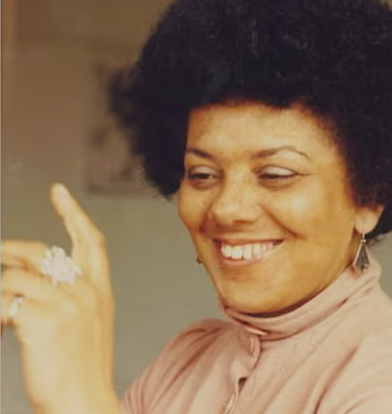
A pioneer in the struggle for racial justice
The name is Bond … Comrade Bond
How Netherley women organised a ‘carnival in Alcatraz’
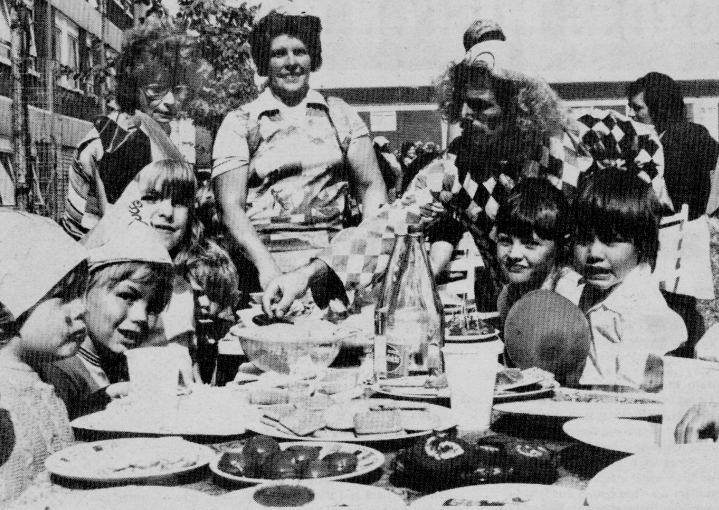
The bleak council estate of Netherley was nicknamed Alcatraz because people living there often felt like prisoners. In 1976, though, a group of women took the first step towards building a sense of community – and organised a carnival. Maria O’Reilly describes how they did it and what it achieved.
Colonialism in the classroom: books for children in the 1970s
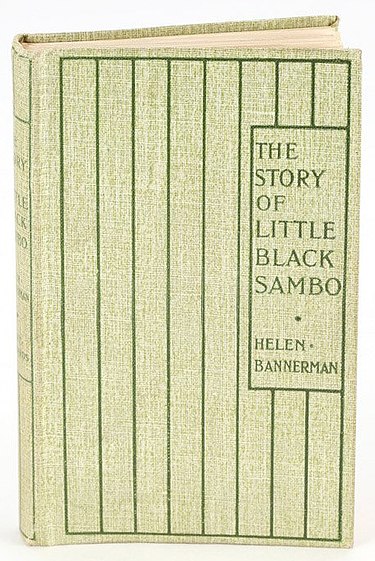
Amid concern that Liverpool’s schools were not preparing youngsters for life in a multi-racial society, the Community Relations Council carried out a study of racist attitudes in books written for children.
The NHS watchdogs that were allowed to bark but not bite
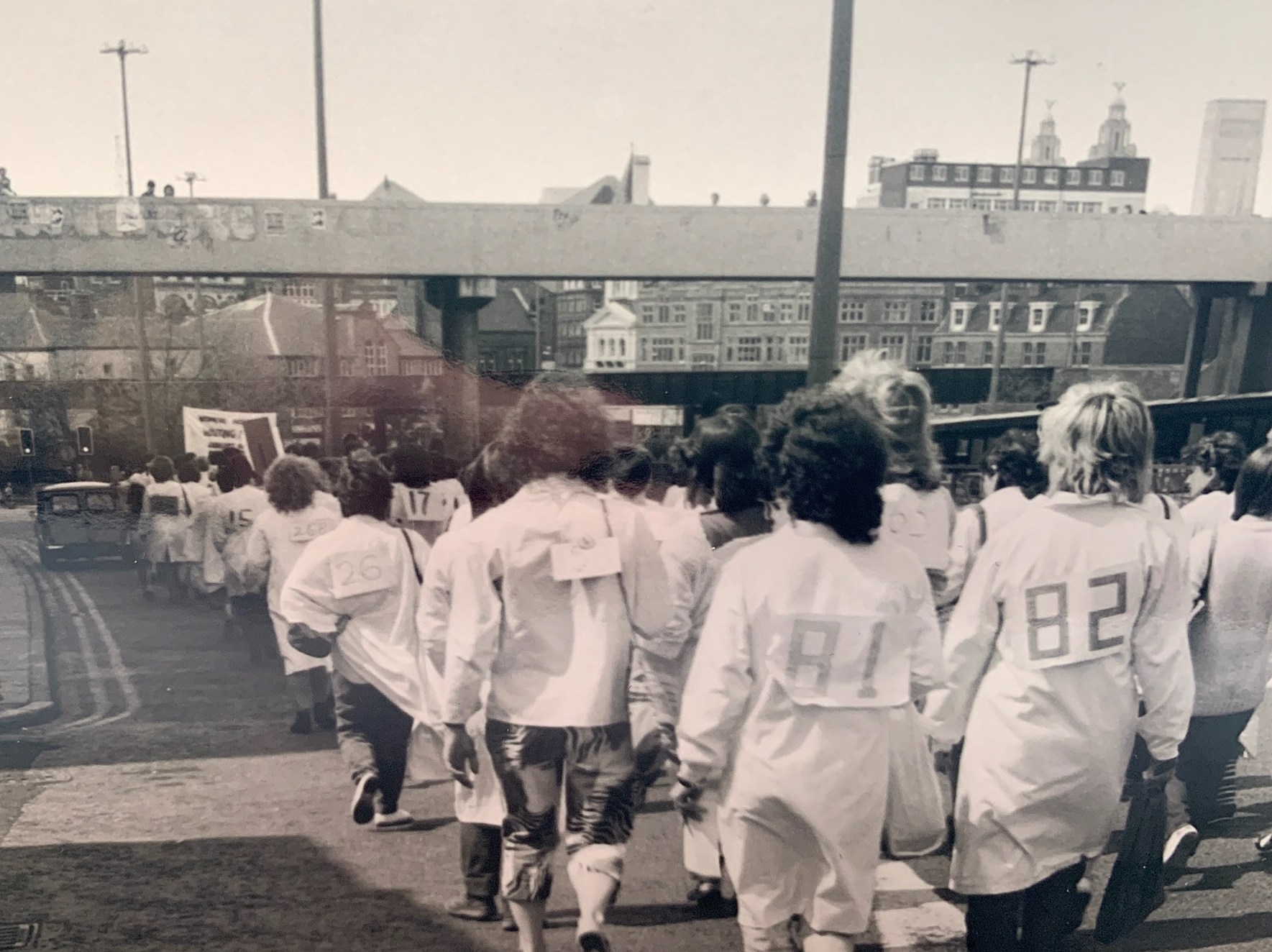
In 1974 the government established Community Health Councils throughout the country to monitor NHS performance and represent the views of patients and the public. In Liverpool, Sylvia Hikins chaired one of them for nine years, but her hopes of improving health services were constantly battered by spending cuts and closures.
GET INVOLVED
Since this is a “people’s history” website, it’s intended as a collaborative effort. Click here to find out the various ways you can take part.